Tiger’s Nest Bhutan: The Ultimate Travel Guide to Paro Taktsang Monastery, Hidden Himalayan Beauty & Spiritual Adventure
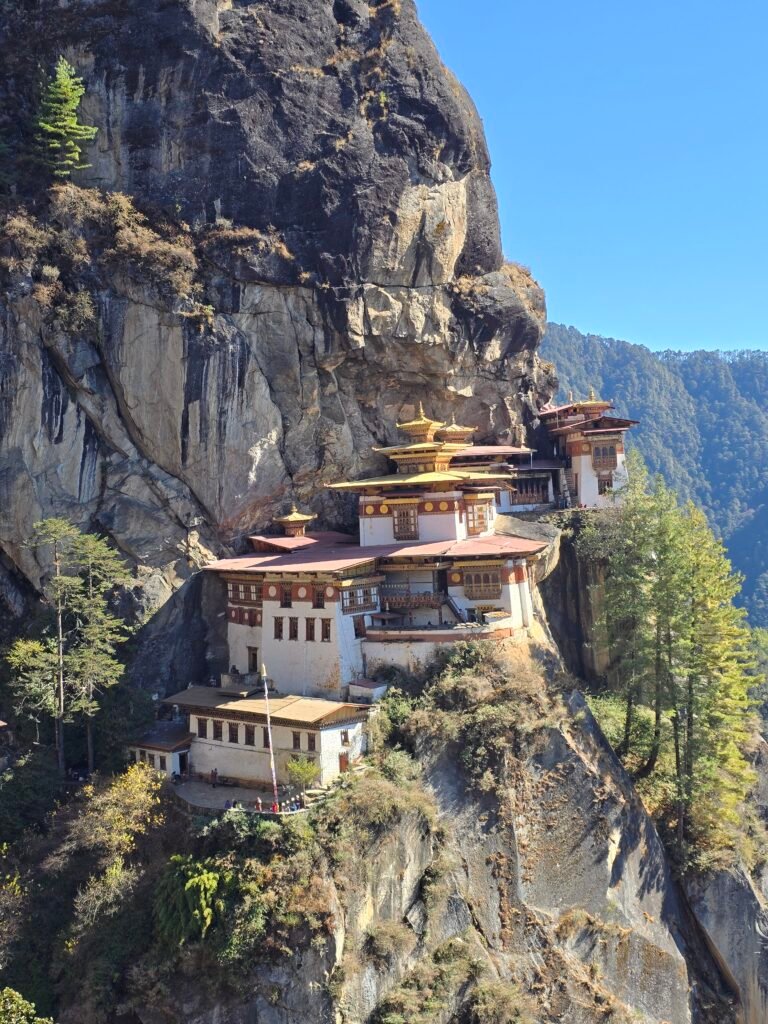
Perched dramatically on the edge of a towering cliff in the Himalayas, Paro Taktsang — famously known as Tiger’s Nest Monastery — is one of the most breathtaking destinations on Earth. Suspended nearly 3,000 feet above the lush Paro Valley, this sacred Buddhist monastery is more than just a tourist attraction; it is a spiritual masterpiece woven into the soul of Bhutan. This Ultimate Travel Guide will help you reach there comfortably.
For travelers seeking adventure, peace, mountain scenery, photography, or cultural immersion, Tiger’s Nest Bhutan has become one of the most searched travel destinations in Asia. From misty pine forests and fluttering prayer flags to legends of flying tigers and hidden meditation caves, every step toward this monastery feels magical.
In this complete travel guide, you’ll discover everything about Tiger’s Nest Monastery Bhutan — including history, hiking tips, best time to visit, how to reach it, spiritual significance, photography advice, and hidden experiences that most travelers miss.
Why Tiger’s Nest Monastery Is Famous Worldwide
Tiger’s Nest Monastery is not just Bhutan’s most iconic landmark; it is considered one of the world’s most extraordinary religious sites. Built into a vertical cliffside at an altitude of around 10,240 feet, the monastery appears almost impossible to construct.
The legend behind the monastery is equally fascinating. According to Bhutanese mythology, Guru Rinpoche — also known as Padmasambhava — flew to this cliff on the back of a tigress in the 8th century to meditate and subdue evil spirits. The cave where he meditated became sacred, eventually inspiring the construction of the monastery centuries later.
Today, Tiger’s Nest represents spiritual enlightenment, courage, and devotion. Pilgrims from around the world hike to the monastery seeking blessings, meditation, and inner peace.
Where Is Tiger’s Nest Located?
Tiger’s Nest Monastery is located near the beautiful town of Paro in western Bhutan. The monastery sits dramatically on a cliff above the Paro Valley, surrounded by dense forests, waterfalls, and Himalayan peaks.
The nearest airport is Paro International Airport, which is Bhutan’s only international airport. Flights into Paro are considered among the most scenic in the world because aircraft navigate between Himalayan mountains before landing.
The Incredible Hike to Tiger’s Nest Bhutan
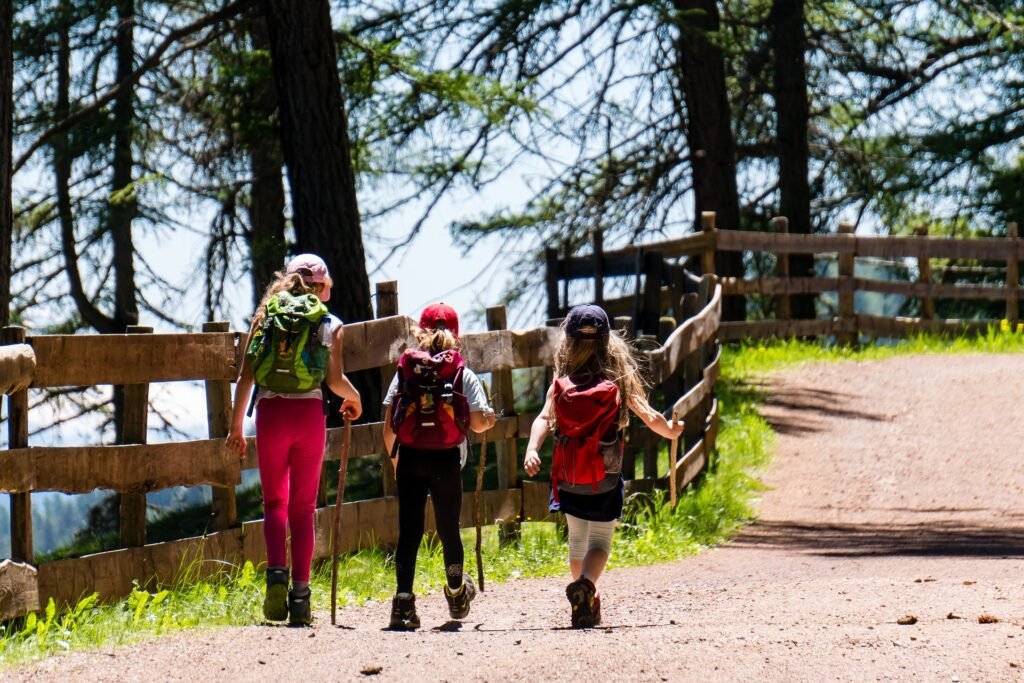
One of the biggest reasons travelers visit Tiger’s Nest is the unforgettable hike.
The trail to the monastery is approximately 6 to 7 kilometers round trip and usually takes between 4 to 6 hours depending on fitness level, weather, and time spent exploring.
What Makes the Hike Special?
Unlike ordinary mountain treks, the Tiger’s Nest hike combines:
Ancient pine forests
Colorful prayer flags
Himalayan scenery
Sacred chortens
Hidden caves
Buddhist chanting
Peaceful mountain silence
As you climb higher, the views become increasingly dramatic. Eventually, the monastery appears through the clouds like a fantasy castle hanging from the cliffs.
Many travelers describe the experience as emotional, spiritual, and life-changing.
Best Time to Visit Tiger’s Nest Bhutan
Choosing the right season can completely transform your experience.
Spring (March to May)
Spring is one of the best times to visit Bhutan. Rhododendron flowers bloom across the mountains, temperatures remain pleasant, and skies are usually clear.
Autumn (September to November)
Autumn offers crystal-clear mountain views and excellent trekking weather. This is peak tourist season because visibility is perfect for photography.
Winter (December to February)
Winter is colder but less crowded. Snow on the surrounding peaks creates breathtaking scenery.
Monsoon (June to August)
Heavy rains can make the trail slippery, though the forests become intensely green and mystical.
Inside Tiger’s Nest Monastery
After completing the challenging climb, visitors reach the monastery complex connected by stone staircases and bridges.
Inside the monastery, you’ll discover:
Golden Buddha statues
Ancient murals
Meditation caves
Butter lamps
Sacred relics
Prayer halls filled with incense
Photography inside the monastery is prohibited to preserve its sanctity, but the spiritual atmosphere leaves a lasting impression far beyond photographs.
The sound of monks chanting while clouds drift through the mountains creates an almost surreal feeling.
Spiritual Meaning of Tiger’s Nest
Bhutan is deeply rooted in Vajrayana Buddhism, and Tiger’s Nest is considered one of the holiest pilgrimage sites in the country.
Many Bhutanese people believe visiting the monastery cleanses negative karma and brings spiritual blessings. Pilgrims often hike barefoot or complete the journey multiple times as an act of devotion.
The monastery symbolizes triumph over fear and ignorance — themes central to Buddhist teachings.
For travelers, the journey often becomes more than a physical hike; it transforms into a personal spiritual experience.
How to Reach Bhutan and Tiger’s Nest
Flying Into Bhutan
Most international travelers arrive through Paro International Airport.
Flights are operated by Bhutanese airlines and usually connect from:
Bangkok
Kathmandu
Delhi
Singapore
Dhaka
The flight itself offers unforgettable views of the Himalayas, including Mount Everest on clear days.
Travel Regulations in Bhutan
Bhutan follows a “High Value, Low Impact Tourism” policy. Most international tourists must book through licensed tour operators and pay a daily sustainable development fee.
This policy helps preserve Bhutan’s culture, environment, and spiritual heritage.
Essential Tips for Hiking Tiger’s Nest
1. Start Early
Begin your hike early in the morning to avoid crowds and afternoon clouds.
2. Wear Proper Shoes
The trail can become dusty, rocky, or slippery depending on weather conditions.
3. Carry Water
Staying hydrated is important because of the altitude.
4. Acclimatize
Spend at least one day in Paro before hiking to adjust to the elevation.
5. Respect Local Customs
Tiger’s Nest is a sacred site. Dress modestly and remain respectful inside the monastery.
Best Photography Spots at Tiger’s Nest
Tiger’s Nest is one of the most photogenic places in the world.
Popular Photography Locations
The Main Viewpoint
The classic panoramic shot of the monastery perched on the cliff is taken from the cafeteria viewpoint halfway through the hike.
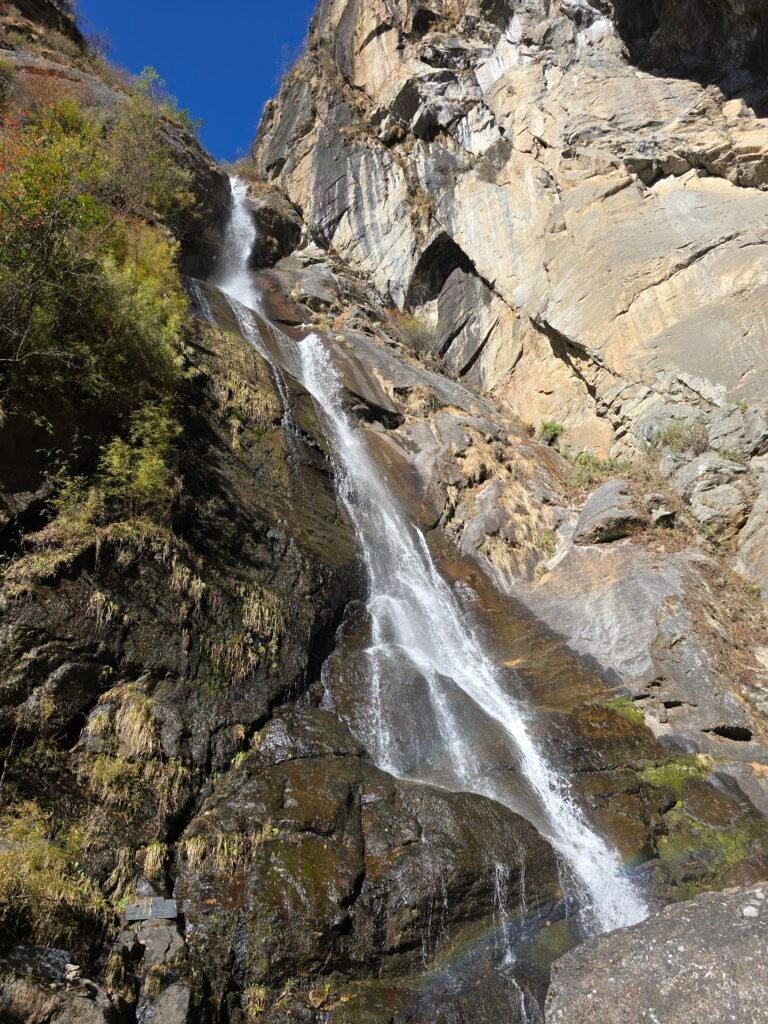
The Bridge Near the Waterfall
This location provides dramatic close-up views with flowing waterfalls and prayer flags.
Early Morning Mist
Clouds drifting through the valley create mystical images that look almost unreal.
Photographers should carry lightweight equipment because the hike is physically demanding
Hidden Experiences Most Travelers Miss
Meditation Moments
Many visitors rush through the monastery for photographs. However, spending quiet time in meditation can become the most memorable part of the journey.
Talking With Local Guides
Bhutanese guides often share fascinating spiritual stories and legends unavailable online.
Exploring Paro Valley
Beyond Tiger’s Nest, the Paro Valley offers beautiful villages, traditional Bhutanese houses, local markets, and peaceful monasteries.
Bhutan: The Happiest Country in the Himalayas
Bhutan is globally famous for measuring Gross National Happiness instead of focusing only on economic growth.
Travelers often notice how calm, clean, and peaceful the country feels compared to many modern destinations.
There are no traffic lights in Bhutan’s capital, traditional dress is still commonly worn, and environmental conservation remains a national priority.
Visiting Tiger’s Nest allows travelers to experience not only natural beauty but also Bhutan’s unique philosophy of mindful living.
Is the Tiger’s Nest Hike Difficult?
The hike is moderately challenging but achievable for most people with average fitness.
Key challenges include:
Steep uphill sections
High altitude
Uneven stone steps
However, horses are available for part of the ascent, making the journey easier for some travelers.
The reward at the top makes every step worthwhile.
What to Pack for Tiger’s Nest Bhutan
Here’s a useful checklist:
Hiking shoes
Lightweight jacket
Sunglasses
Sunscreen
Water bottle
Camera
Energy snacks
Rain protection
Weather in the Himalayas changes quickly, so layering clothes is highly recommended.
Why Tiger’s Nest Bhutan Should Be on Your Bucket List
There are few places in the world where spirituality, adventure, culture, and natural beauty blend so perfectly.
Tiger’s Nest is not simply a monument — it is an experience that touches the soul.
Standing before the monastery while clouds swirl around the cliffs creates a feeling difficult to describe. Whether you are a traveler, photographer, trekker, or spiritual seeker, the journey leaves a permanent memory.
In an age dominated by crowded tourist attractions and digital distractions, Tiger’s Nest Bhutan offers something increasingly rare: silence, wonder, and connection.
Final Thoughts
The journey to Paro Taktsang is far more than a hike. It is a passage into Bhutan’s spiritual heart and Himalayan mystery.
From ancient legends and dramatic landscapes to peaceful monasteries and transformative experiences, Tiger’s Nest continues to inspire travelers from every corner of the world.
If you are planning your next unforgettable adventure, Bhutan’s iconic Tiger’s Nest Monastery deserves a top place on your travel bucket list.
One visit is enough to understand why this hidden Himalayan sanctuary is considered one of the most magical destinations on Earth.
You might be interested in reading this post as well: Best Time to Visit Nepal – Mesmerizing Himalayas